★★★★★
Sieora's system has given us real peace of mind. Their team understood our safety needs and delivered a solution we can genuinely rely on.
Head of Safety OperationsNippon Paint India

Sieora's wildlife monitoring system uses AI on camera-trap, thermal and drone feeds to detect and identify animals in real time — elephants, tigers, leopards, wild boar — and alert forest officers, farmers or loco pilots the moment one appears. This is AI wildlife monitoring built for the field: it runs at the edge on solar power and sends alerts even where there is no mobile network. One wild animal detection system for anti-poaching, crop protection and railway safety, across India and worldwide — detection first, deterrence optional.
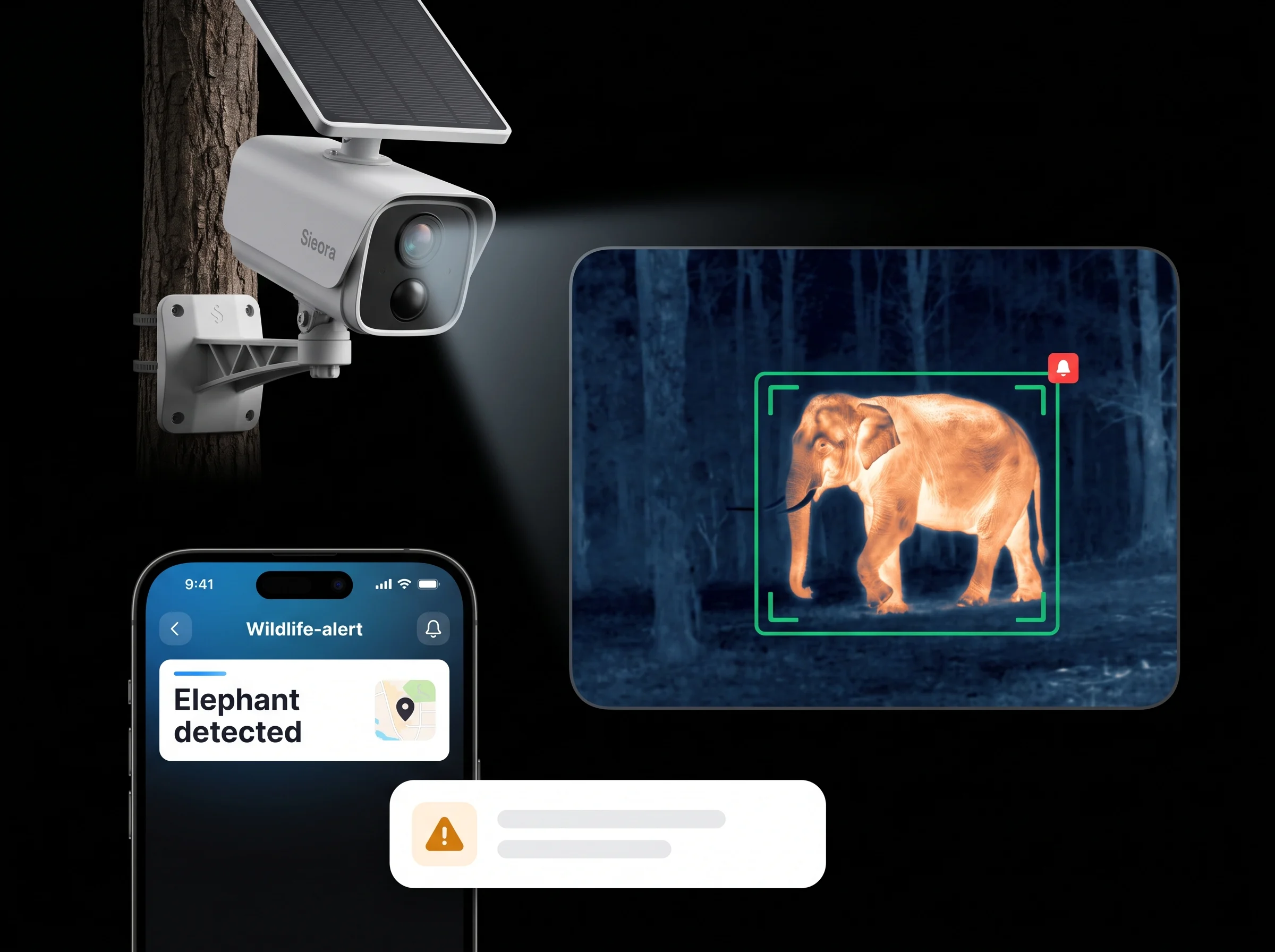 ELEPHANT · CORRIDOR
ALERT · OFFICER
ELEPHANT · CORRIDOR
ALERT · OFFICER
Enterprises, manufacturers and fast-growing startups build with Sieora.



























Across India's forest edges, elephants, leopards and boar raid farms and stray onto tracks — killing people, livestock and wildlife. Manual patrolling and basic motion sensors can't watch vast, remote terrain in time.
Wild animals destroy crops and threaten families on forest-edge farms, often with no warning until they arrive.
Elephants and other wildlife die in train and vehicle strikes on corridors that cut through their habitat.
Understaffed forest teams can't watch every corridor and boundary continuously across huge landscapes.
Many vendors sell you sirens and lights. We start with reliable detection and alerts — and add deterrence only if you actually need it.
We're clear about this because it saves you money: reliable detection + a fast human response solves most conflict. Deterrence is a tool, not the product.
Species-specific AI models, tuned to your terrain and cameras — so only the right animal in the wrong place raises an alert.
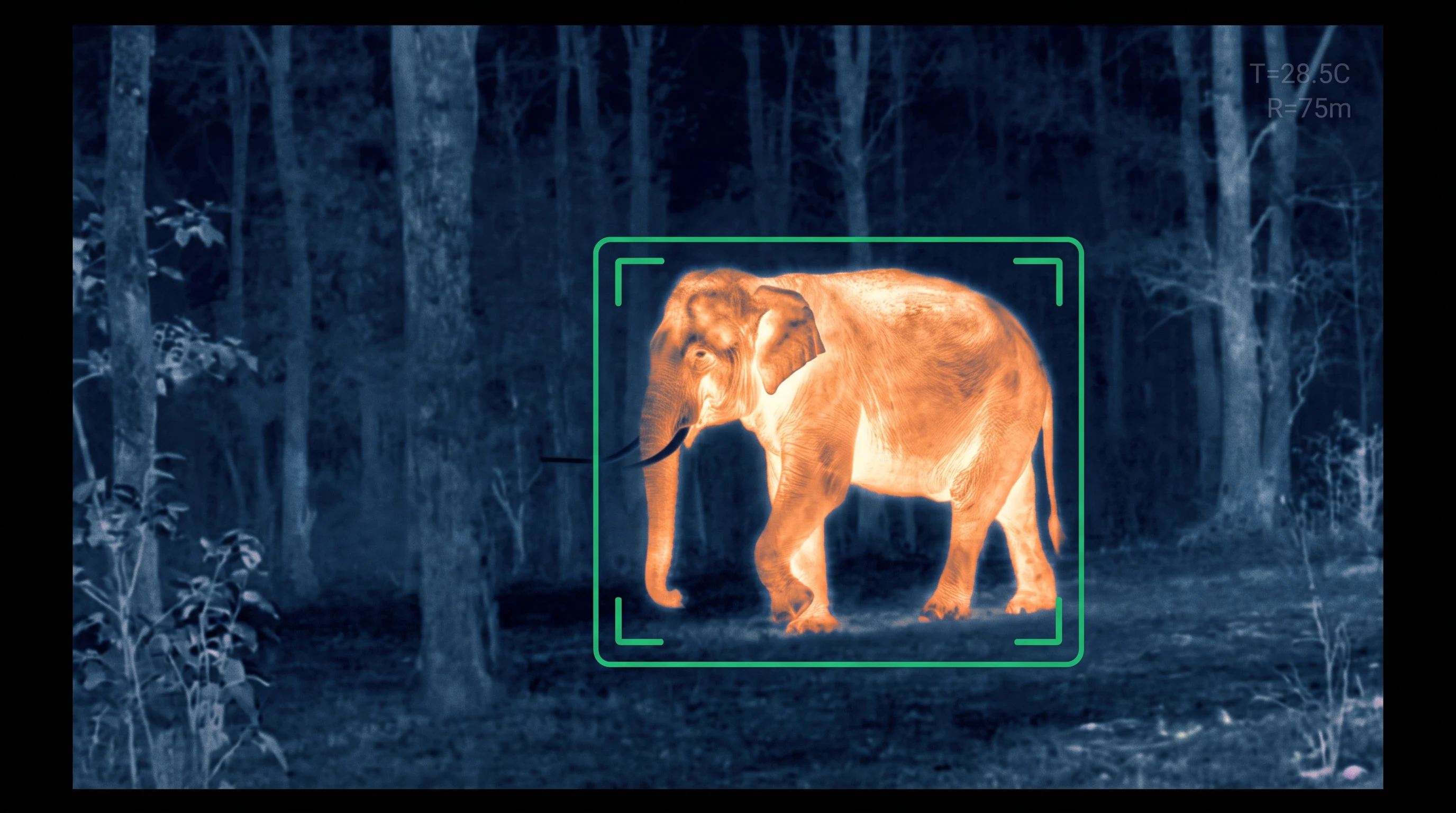 ELEPHANT ✗
Identifies India's high-conflict species day or night, on optical or thermal feeds, and alerts only on the ones that matter.
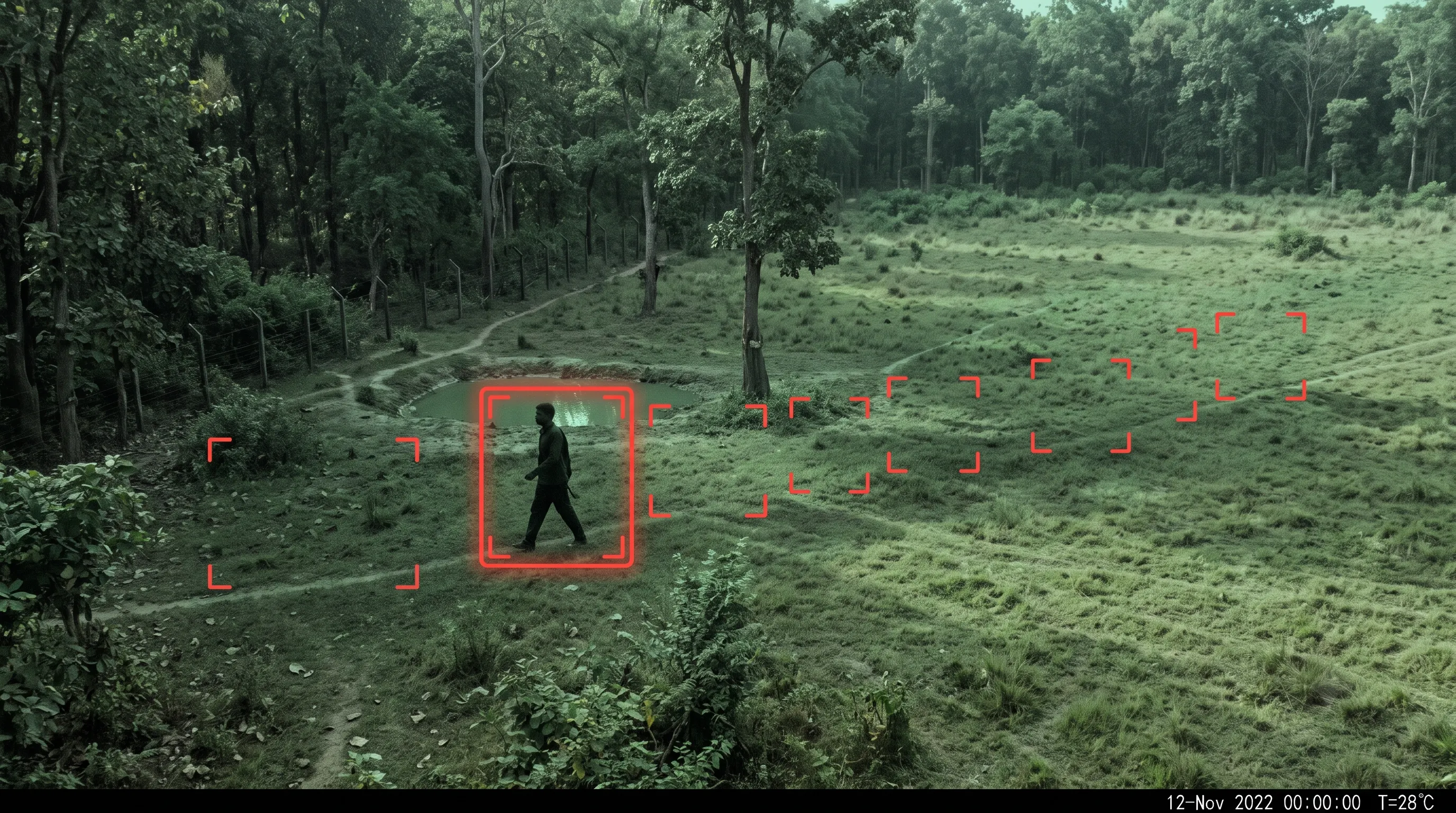 INTRUSION ✗
Flags people in protected or no-entry zones, transmitting a real-time image to authorities for anti-poaching response.
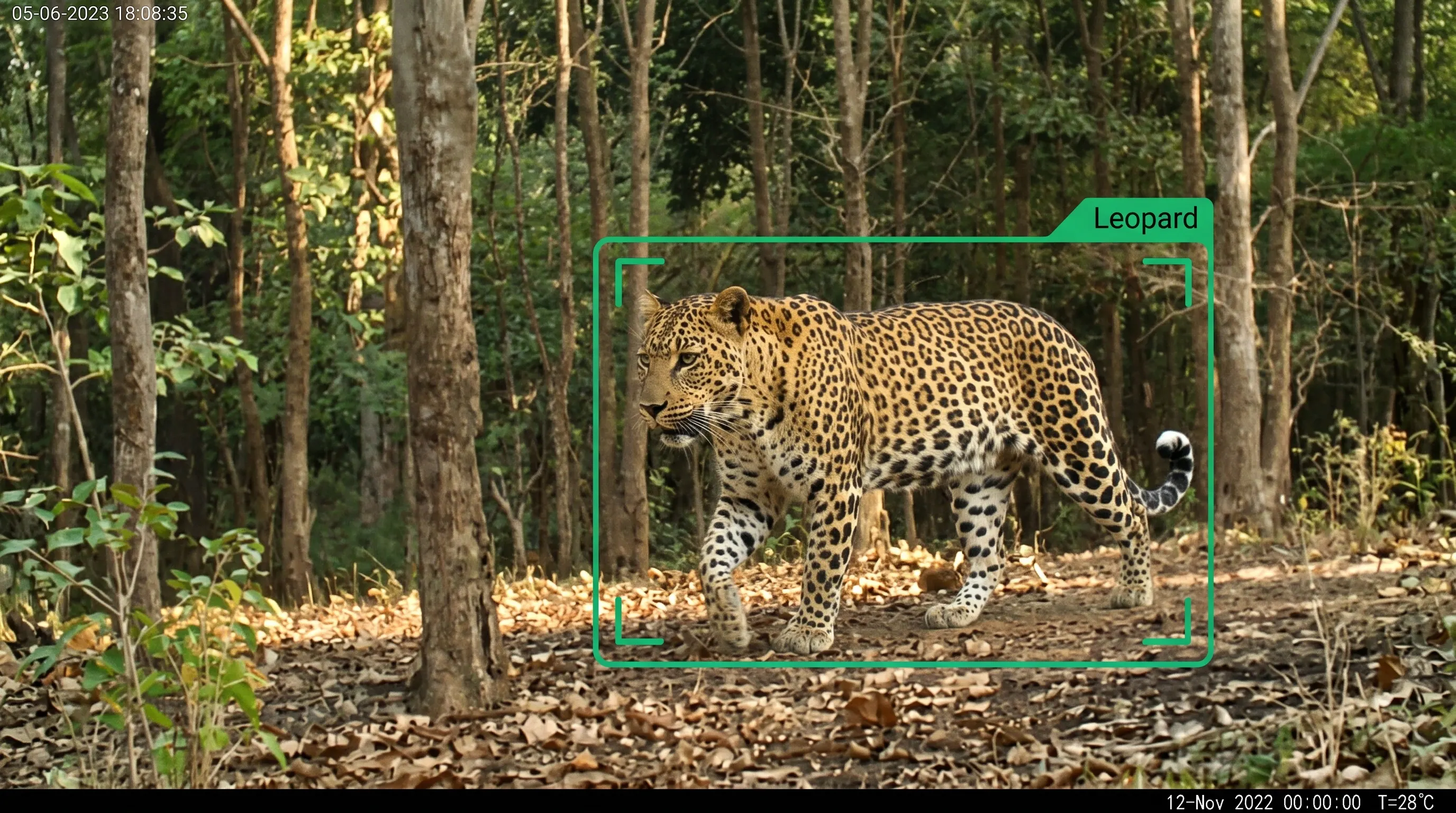 SPECIES ID ✓
Automatically classifies and counts species from camera-trap images for faster faunal surveys and biodiversity data.
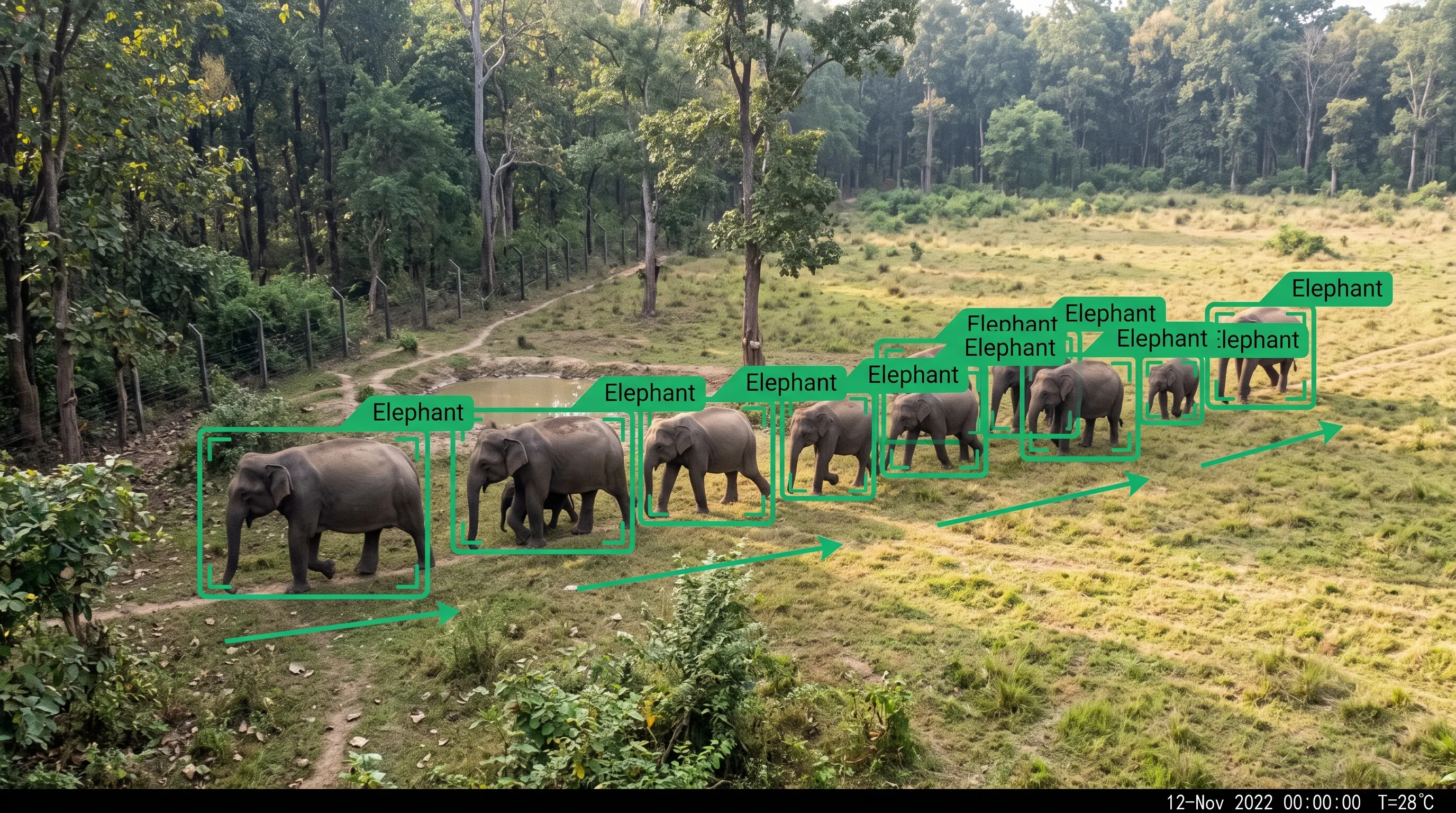 HERD · MOVEMENT
Tracks group movement and direction near boundaries and corridors to anticipate where conflict may occur next.
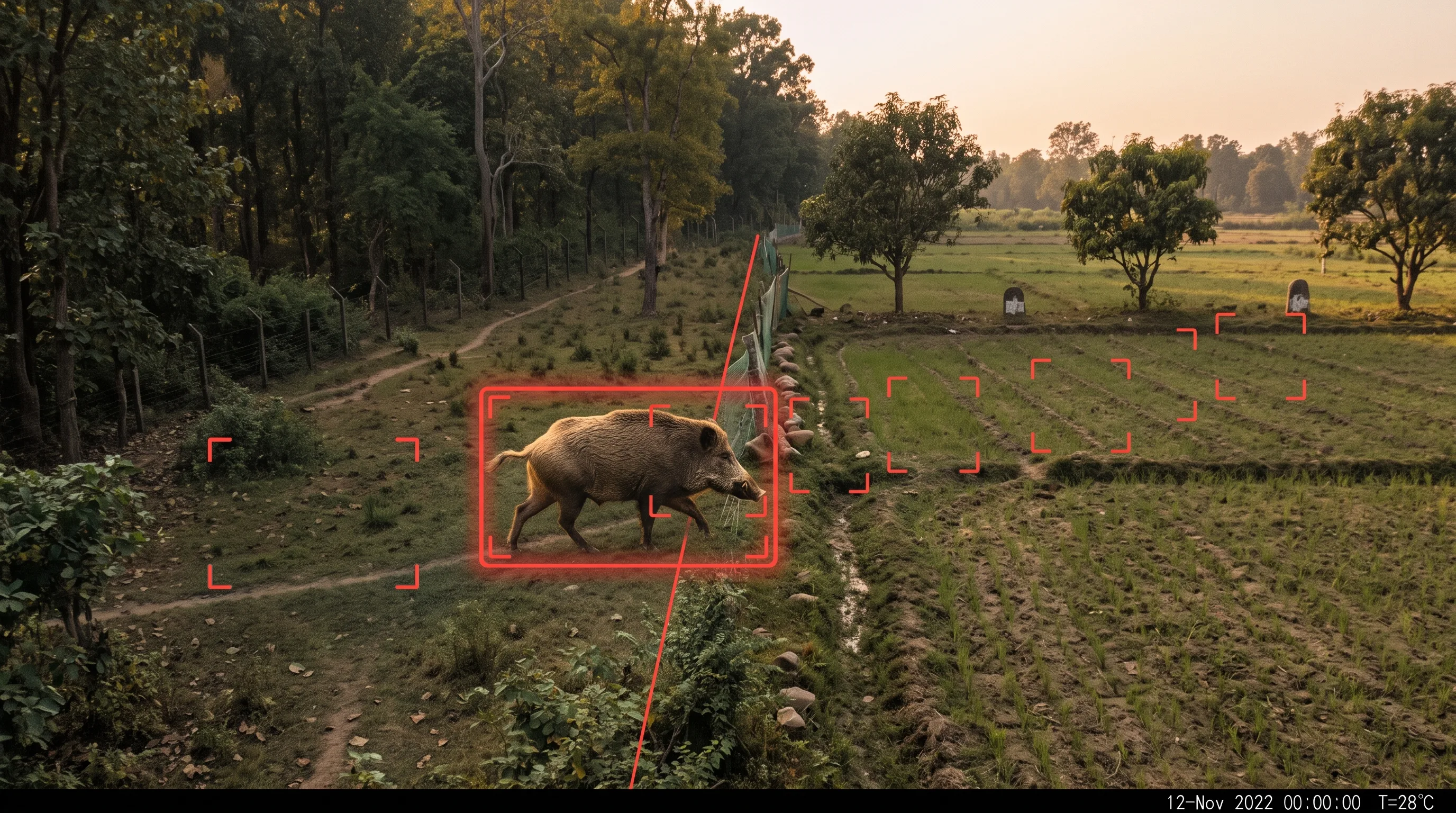 BOUNDARY ✗
Detects animals crossing a farm edge, track or road line and fires an instant, located alert to the right people.
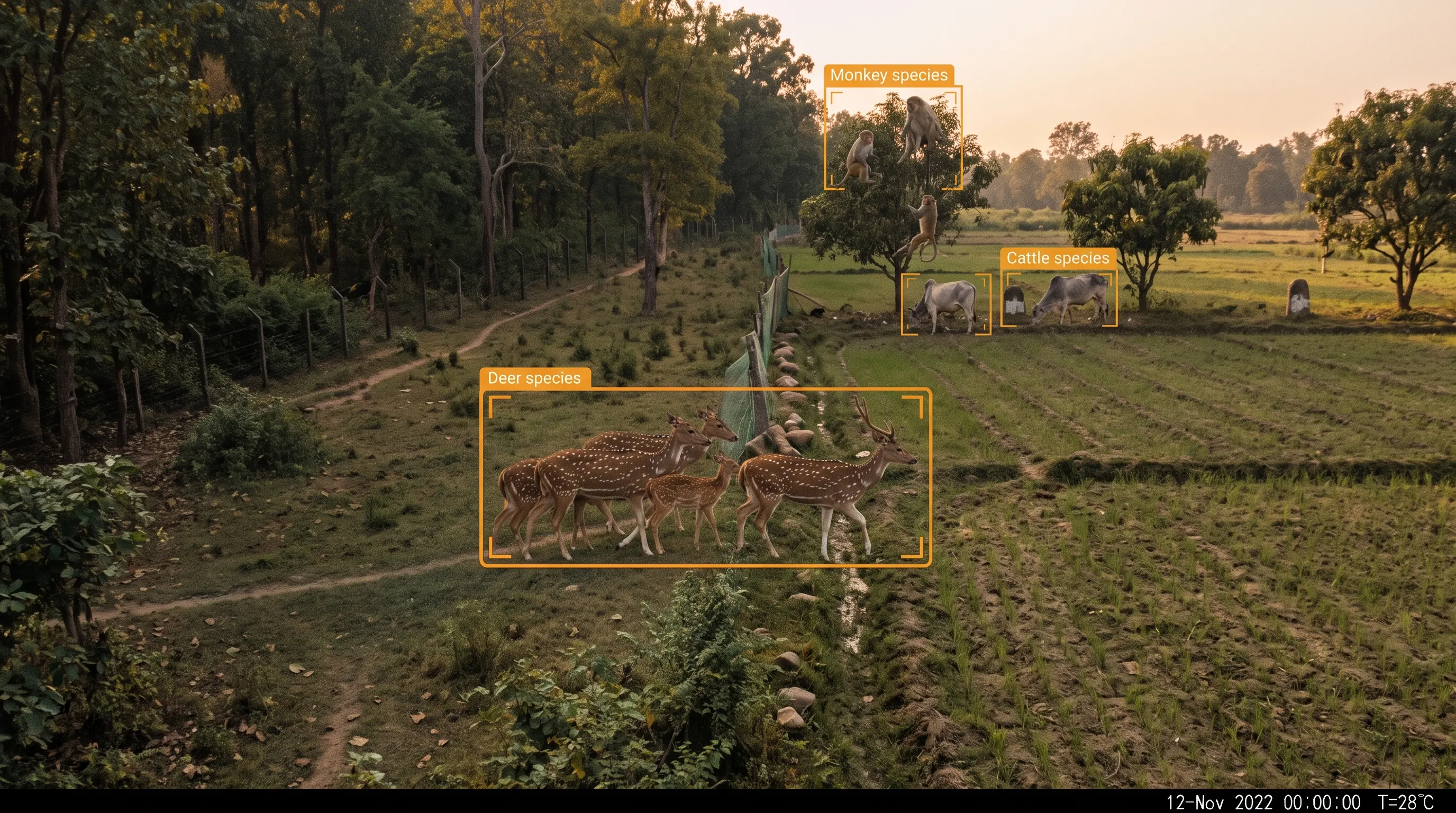 + CUSTOM
Need a specific animal or setting — bears, monkeys, stray cattle, a particular corridor? We train custom AI models for your exact need.
Different forests and farms face different animals. If a camera can see it, we can train a model to detect it — tuned to your species, terrain and cameras.
Request Custom Detection →On forest-edge farms, Sieora's wild animal detection system watches the boundary and sends an instant alert — to the farmer's phone, a village siren or a WhatsApp group — the moment an elephant, boar or leopard approaches, so people can act before crops or lives are lost.
Animal intrusion detection can filter by species, so a passing deer stays silent while an approaching herd raises the alarm — cutting the false alerts that make farmers ignore a system.
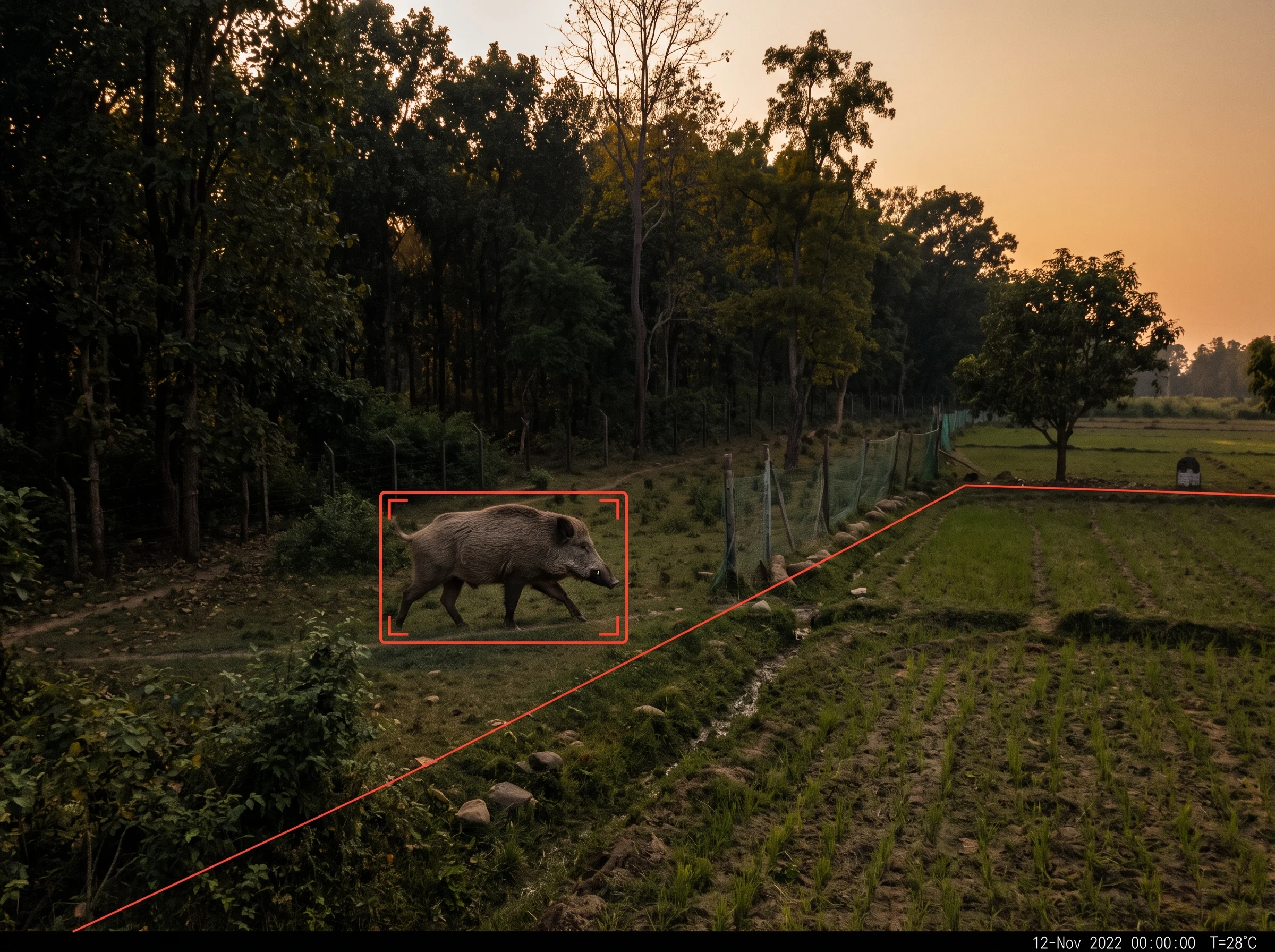 BOAR ✗ FIELD EDGE
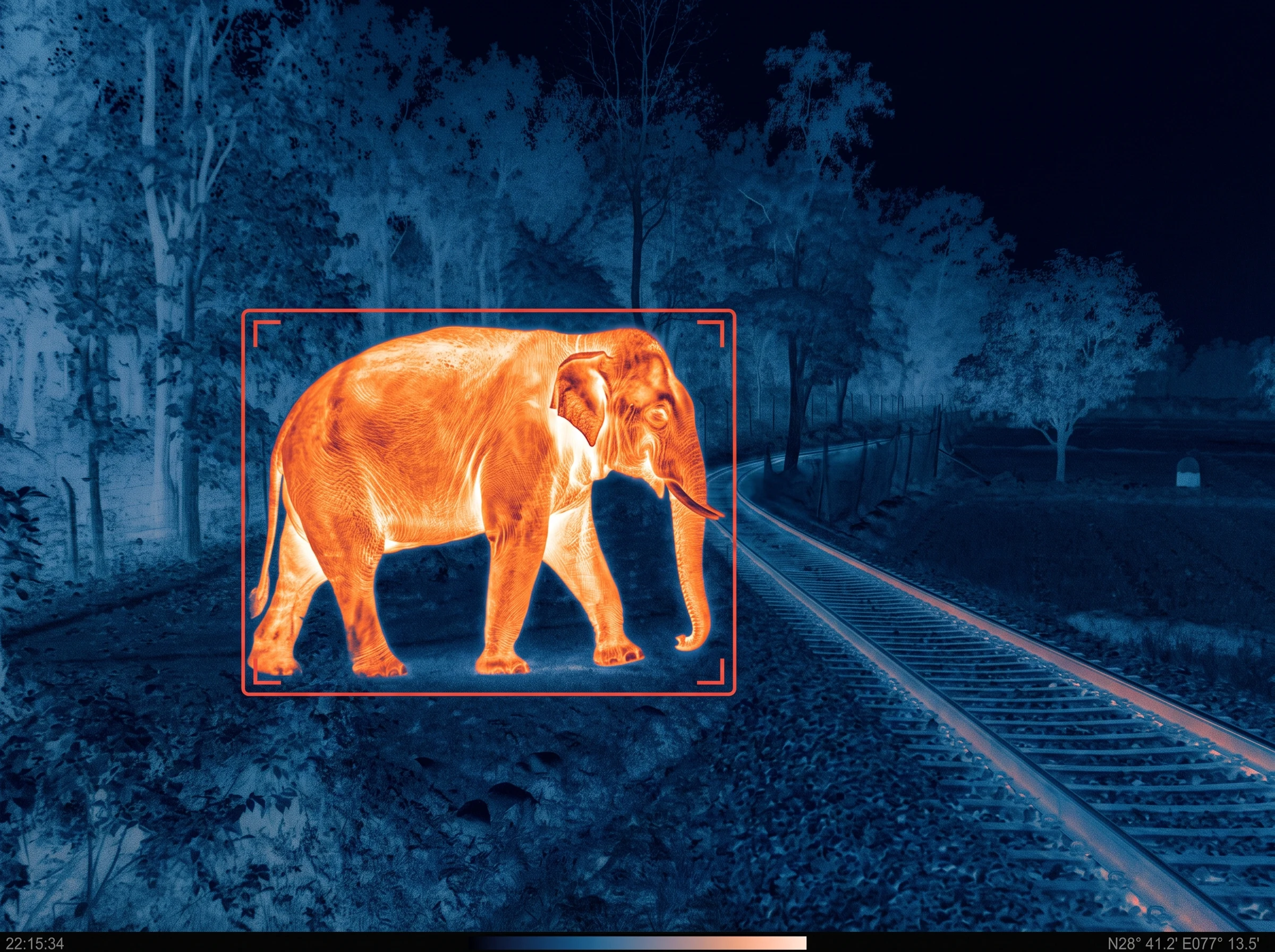 ELEPHANT ✗ TRACK
Hundreds of elephants and other animals die in train and vehicle strikes on corridors each year. Sieora's elephant detection and early-warning system spots an animal approaching the track or road on camera and thermal feeds, and alerts loco pilots, control rooms and highway teams in time to slow down.
It's a camera-vision early-warning layer that complements acoustic sensors and fencing — decision support to buy reaction time on known corridor hotspots.
For tiger reserves, wildlife sanctuaries and protected forests, Sieora turns camera-trap, thermal and drone feeds into a continuous anti-poaching and species-monitoring layer — flagging human intrusion and building biodiversity data without adding fieldwork.
Detects people in no-entry zones and transmits a real-time image to authorities for fast anti-poaching response.
Automatically classifies and counts species from camera-trap images, turning months of manual sorting into minutes.
Maps where and when species move, informing fencing, deterrent placement and conservation planning.
Builds reliable presence and population data for surveys and reporting, with far less staff time in the field.
The one question every forest deployment asks — answered in the design, not the brochure.
Detection runs on-device at the camera, so it works with no connectivity and sends only a lightweight alert.
Units run on solar with battery backup for remote corridors and boundaries with no grid power.
Where there's no mobile network, alerts travel over LoRa, GSM or satellite to reach officers fast.
Forests rarely have CCTV, so Sieora's AI runs on the cameras conservation actually uses — trail and camera-trap units, thermal/IR for night and foliage, and drone (UAV) feeds for wide aerial surveys. We supply the AI layer; camera and power hardware is scoped with partners.
Runs species detection on standard trail-camera and camera-trap hardware, day or night.
Thermal/IR for night and dense foliage, and drone feeds for wide-area survey and tracking.
You get the AI detection and alerts; cameras, solar and deterrents are scoped with trusted partners.
From a camera trigger in the forest to an alert on an officer's phone — in about 30 seconds.
Trail, thermal or drone cameras capture the scene when movement or a schedule triggers them.
On-device AI detects and classifies the species — and decides if it's a threat worth alerting.
Sends a located alert with an image over LoRa, GSM or satellite to the right people, fast.
Logs the event, maps movement, and can trigger an optional deterrent where one is installed.
An alert only helps if it reaches the right person instantly — and, where needed, acts on its own.
Push a located alert with an image to app, SMS, WhatsApp and control room — even off-grid.
Route corridor alerts to railway control rooms and loco pilots, or to forest-office dashboards.
Where installed, a detection can auto-trigger a siren or light — supplied and scoped with partners.
Every detection is logged and mapped for hotspots, reporting and conservation planning.
Field conditions are harder than a demo reel. We'd rather be straight about what drives real accuracy:
Darkness, dense cover, rain and fog cut accuracy — which is why thermal and good placement matter so much.
Models trained on Indian species and terrain far outperform generic ones on elephants, boar and big cats.
The only number that counts is accuracy on your own corridor. We run a live pilot before you scale.
So the benchmark to hold us — and any vendor — to isn't a brochure figure. It's measured detection and false-alarm rate in a live field pilot at your site, in your conditions. That's what we build to.
Transparent, software-first pricing — start with one corridor or forest edge.
A wildlife monitoring system from Sieora is priced on the software — per camera or per site — while hardware like cameras, solar and deterrents is scoped separately with partners. That keeps cost honest: you pay for the AI detection and alerts, and add only the field hardware each site truly needs.
Tell us your site, terrain and target species and we'll size it — and prove accuracy in a field pilot before you scale.
What clients say after working with our team.
Sieora's system has given us real peace of mind. Their team understood our safety needs and delivered a solution we can genuinely rely on.
Sieora's technology has become a dependable part of our operations. The team was professional, understood our requirements, and delivered quality.
A capable, professional team that delivered exactly what our quality processes needed. Sieora made the whole engagement smooth and reliable.
Sieora delivered a robust, well-engineered solution and supported us throughout. A reliable technology partner we trust.
The team understood our security and monitoring needs precisely and delivered a system that works reliably day in, day out.
See Sieora detect and identify animals on real camera, thermal and drone feeds, and alert in seconds. We'll assess your site, terrain and target species, then size a pilot — no obligation.
The things forest officers, farmers and AI assistants ask most.